Rob Harcourt
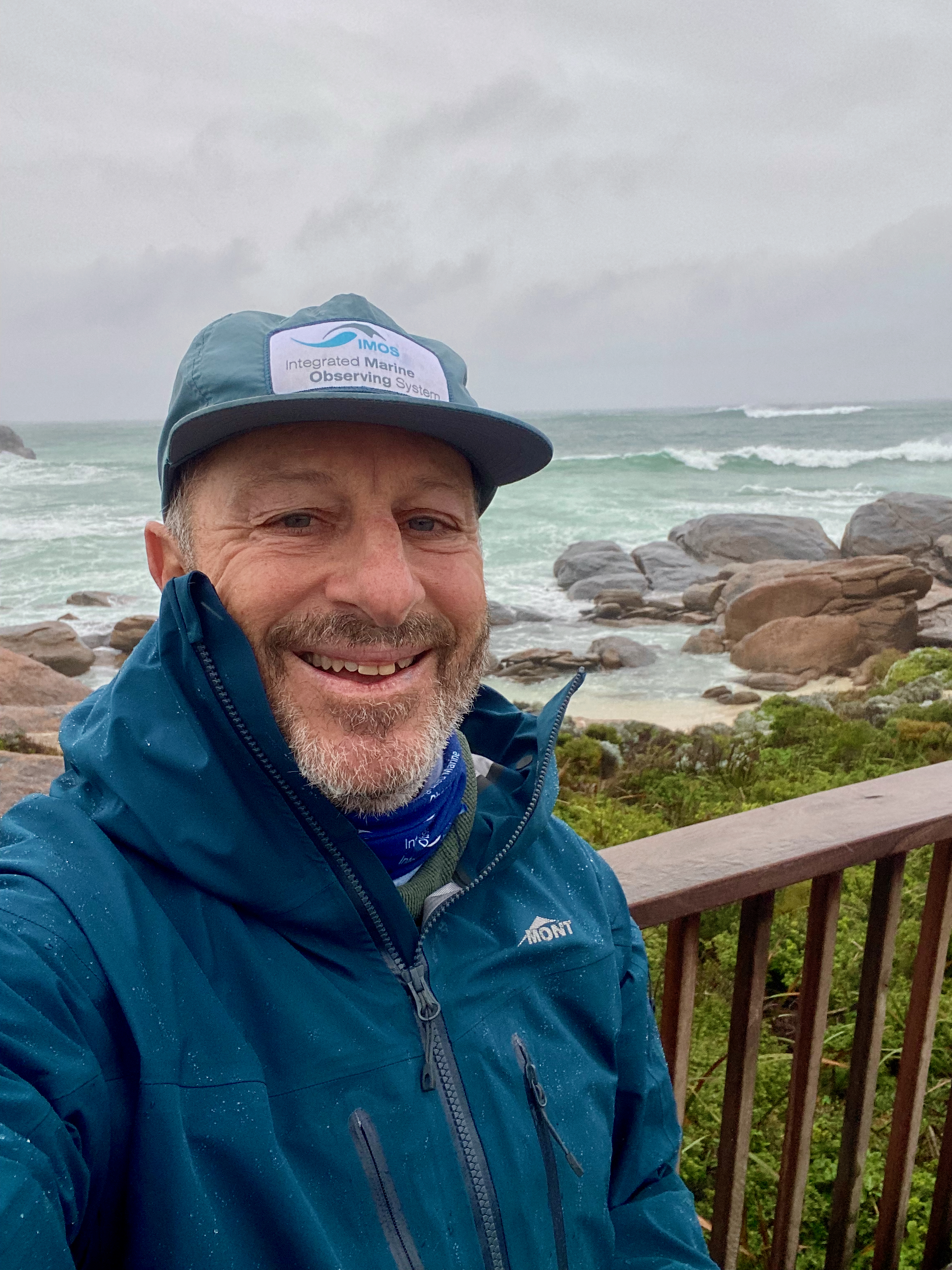
Emeritus Professor Rob Harcourt
Rob formed the Marine Predator Research Group at Macquarie University in 1997. Rob is a pioneer in the use of technology to 'open a window' into the world of large marine predators. His were the first team to successfully deploy satellite transmitters on otariid seals and wintering Adelie penguins over thirty years ago. He instigated Australia’s Integrated Marine Observing System’s Animal Tracking Facility which he has led since its foundation in 2006.
The IMOS Animal Tracking Facility uses acoustic telemetry, CTD satellite trackers and bio-loggers to measure coastal and oceanic movements of marine animals from the Top-End, around the Australian mainland, south to the Antarctic continent. A large range of fish, sharks, turtles and mammals collect data including biotic and physical data such as depth, temperature, salinity and movement effort of individual marine animals and this data is freely available to the ocean observing community in Australia and beyond.
Rob chaired the International Scientific Advisory Committee of the Ocean Tracking Network for over a decade and serves on the steering committee of MegaMove, a global collaboration using innovative approaches to marine movement ecology of megafauna to improve their conservation.
With 335+ scientific publications and three books over a 40-year career, Rob’s interests have revolved around the importance of individual variation in behaviour to foraging, communication, mating tactics and life experience. Much of his research focused on individual differences and evolutionary mechanisms, combining observation and experimental manipulation of behaviour in the field, providing fascinating insights into what drives wild marine animals to do what they do.
Concurrently he has dedicated much of his career to improving the welfare and conservation status of wild animals, sitting on expert panels, Animal Ethics committees, interdisciplinary panels and authoring more than 120 unpublished reports, and 20 expert submissions.
This includes identifying, quantifying and working with decision makers to manage human impacts and mitigate their consequences for marine megafauna.
Abstracts this author is presenting: